The Difference Between System V and SystemD
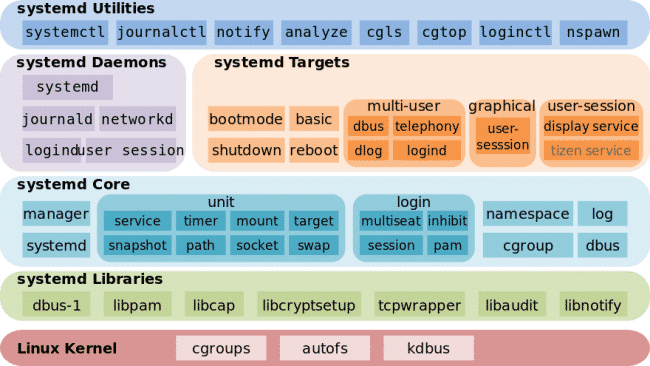
One of the most fundamental distinctions in modern Linux systems is whether they use SystemV or Systemd. Here are the main differences between the two.
SystemV is older, and goes all the way back to original Unix.
SystemD is the new system that many distros are moving to.
SystemD was designed to provide faster booting, better dependency management, and much more.
SystemD handles startup processes through .service files.
SystemV handles startup processes through shell scripts in /etc/init*.
Indicators
If you’re starting and stopping things using systemctl restart sshd, etc, you’re on a SystemD system.
If you’re starting and stopping things using /etc/init.d/sshd start, etc, you’re on a SystemV system.
Which distros use which?
Many older versions of SystemD distros were SystemV.
Here’s an incomplete but hopefully useful breakdown of which distros are on which system.
Systemd: Amazon Linux, Red Hat Enterprise, CentOS, Fedora, Debian/Ubuntu/Mint
SystemV: Gentoo, Alpine, Slackware, Linux from Scratch
Notes
- There are other startup systems as well, such as Upstart and BSD.