My Early Thoughts on Jev
A model that outputs decisions instead of text, almost instantly and almost free
This is some of my favorite, most popular, and latest content. You can also browse and search the archives.

A model that outputs decisions instead of text, almost instantly and almost free
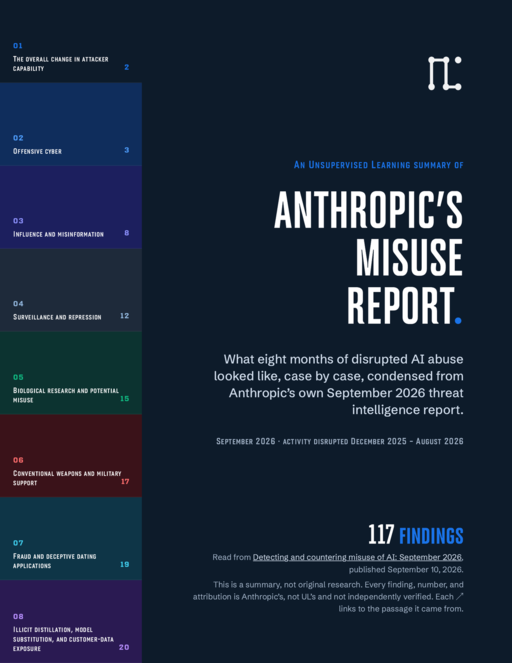
Eight months of disrupted AI abuse, read case by case and boiled down to a 20-page document with every claim linked to its source

Evolution gave us the drive to level up; AI lets us build the system

The less competent lean on the more competent, and soon the most competent thing in the room is AI
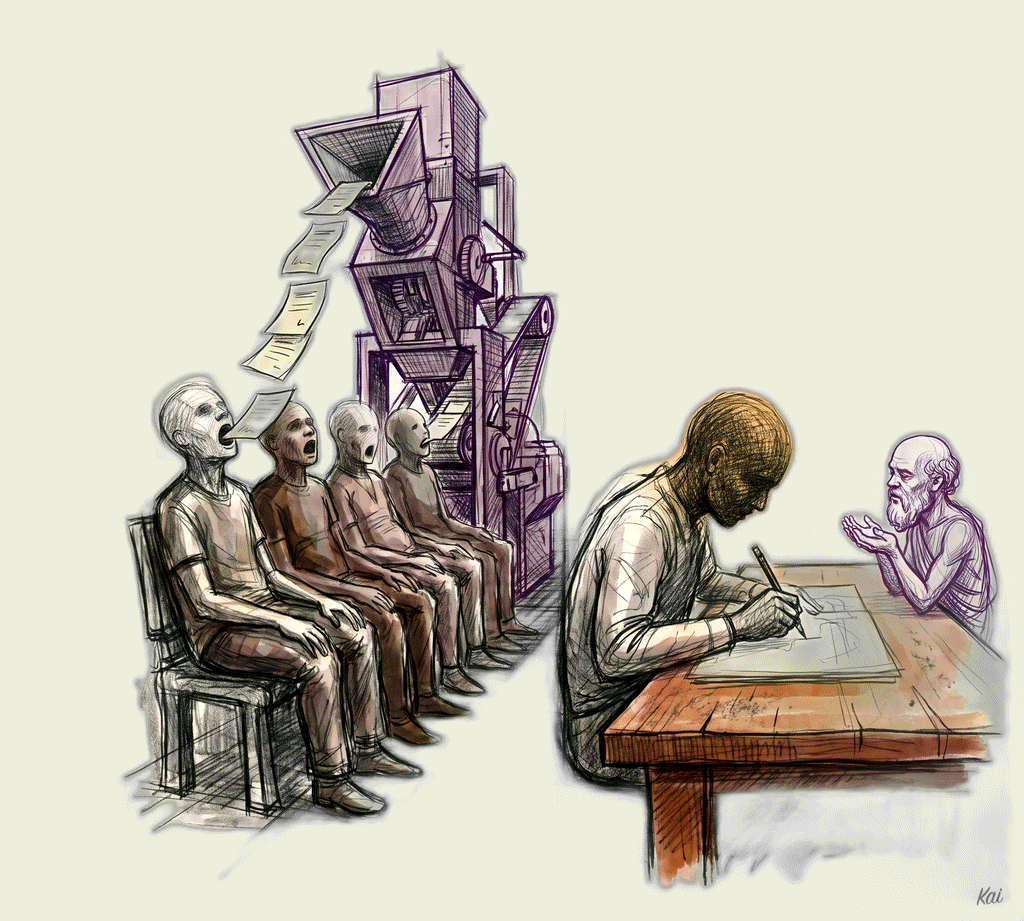
One agent file that interrogates you until you find the answer yourself

The metric for AI is whether it's improving the lives of conscious creatures
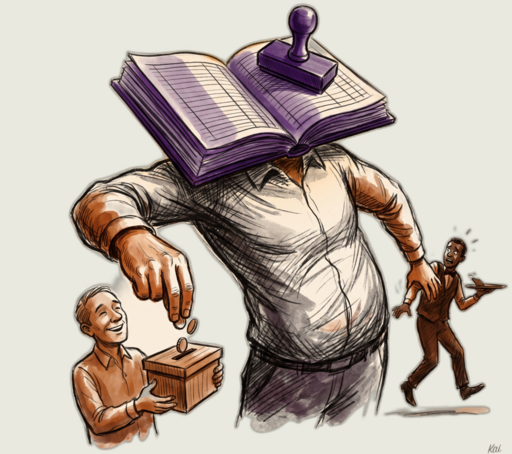
Being good to some people does not earn you the right to be bad to others
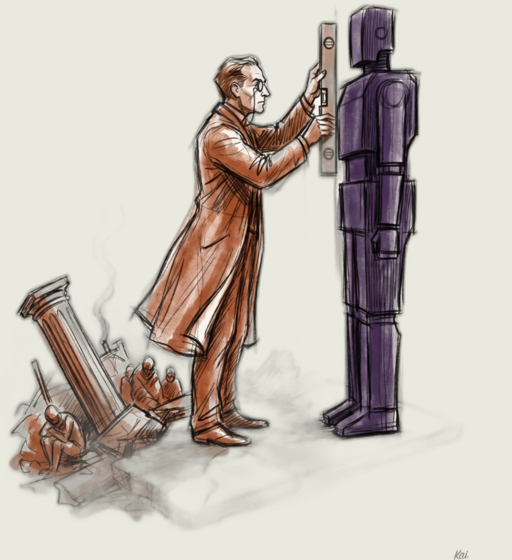
We keep demanding things of AI that we have never had ourselves